Kpalimé what to do · 9 min
What to do in Kpalimé and the Plateaux region
Kpalimé is visited for its relief: Mount Agou, Togo’s high point at 986 metres, the coffee and cocoa plantations of the Kloto plateau, and villages clinging to the slopes. This is the green, cool part of the country, roughly 120 kilometres from Lomé.
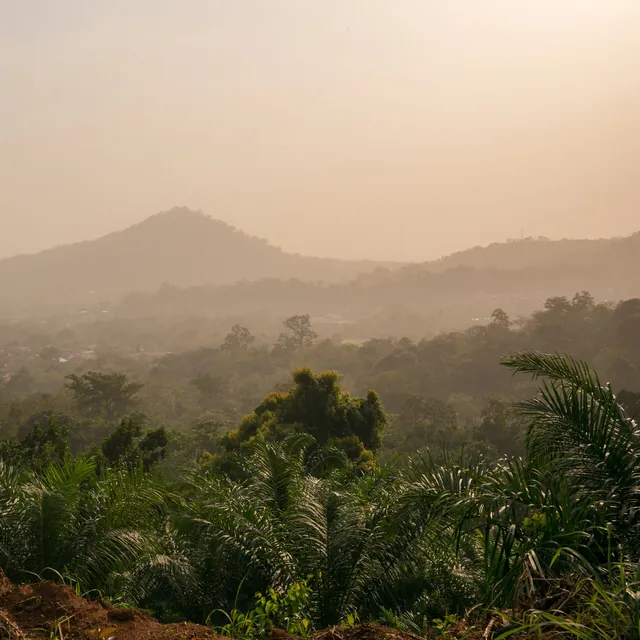
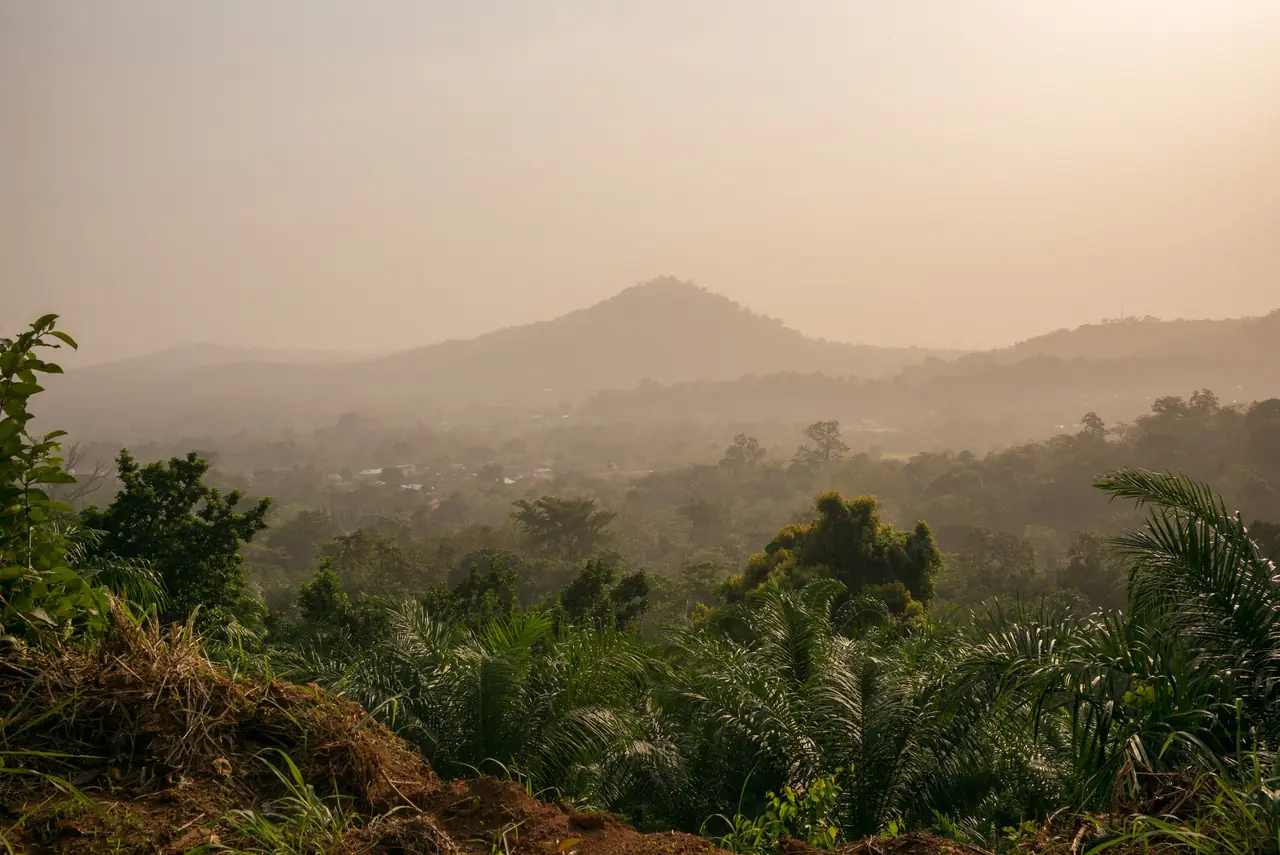
You go up to Kpalimé for a change of air, literally. The town sits at the foot of the Togo mountains, and a few hundred metres of altitude are enough for the coastal humidity to fall away. In the morning the mist clings to the ridges and takes hours to lift. It is not a landscape you spontaneously associate with West Africa, and that is exactly why it is worth the detour.
Can you climb Mount Agou?
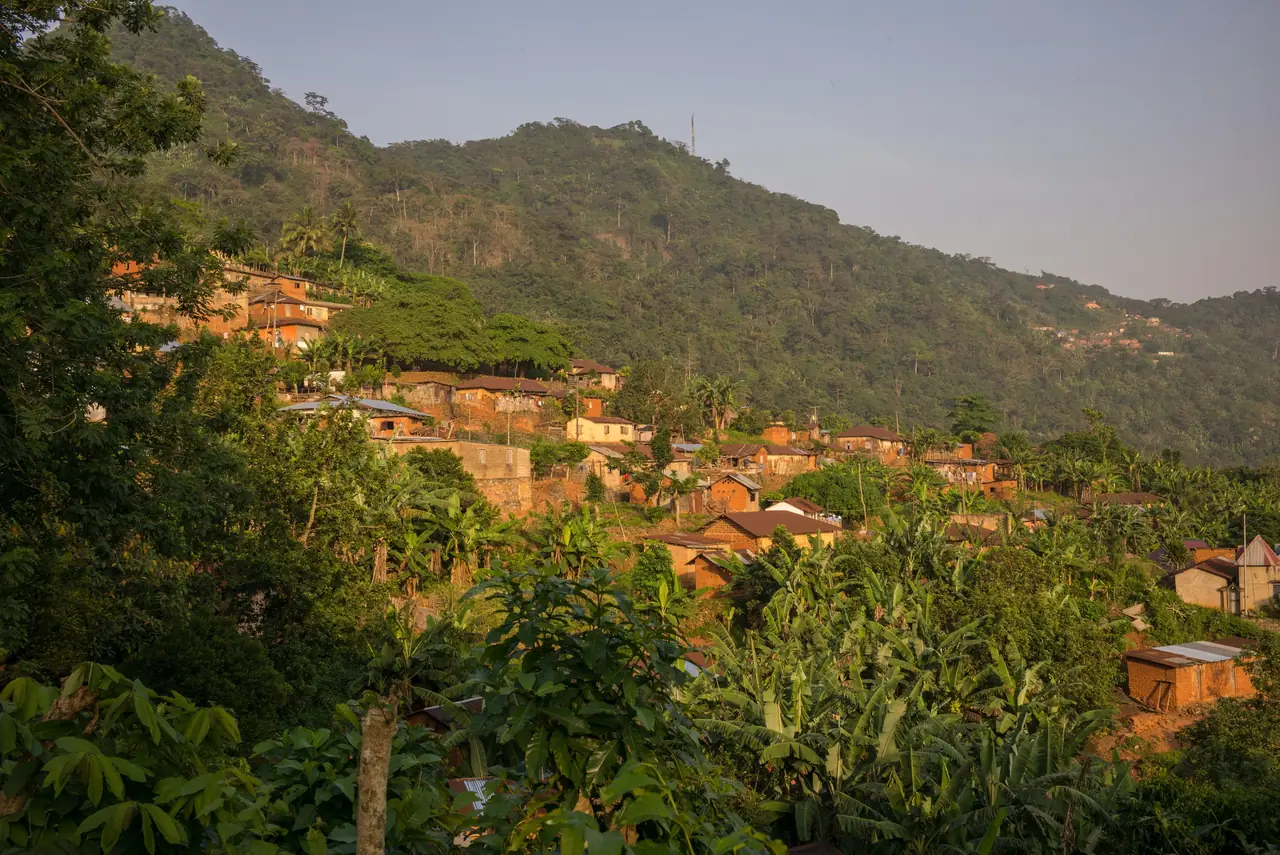
Yes, and it is the region’s main outing. Mount Agou peaks at 986 metres: it is the highest point in Togo. A tarred road serves part of the slope, which makes it doable even if you are not a walker, then you finish on foot. The villages staggered up the hillside — you pass through them one by one on the way up — are at least as interesting as the summit itself.
On a clear day the view carries a long way, out over the plain and, so people say up there, as far as Ghana. Go early: from mid-morning onwards, heat haze closes the horizon most days.
Is the Kpimé waterfall worth the detour?
That depends entirely on the season, and you should know it before setting off. A hydroelectric dam built upstream captures most of the flow: in the dry season the Kpimé waterfall is often reduced to a trickle, or completely dry. Travellers make the drive and find a bare rock face.
In the rainy season, on the other hand, it regains height and force, and the climb to the top through the vegetation is beautiful. When the timing is wrong, we suggest the Womé waterfall instead — more reliable because it is not tapped, and reached by a short walk through the forest.
What else is there around Kpalimé?
- The Kloto plateau and its coffee and cocoa plantations, where you follow the path from cherry to dried bean
- Château Viale, a hilltop villa built in the 1940s on a ridge above the town
- The batik and wood-carving workshops, an old local speciality still very much alive
- Kpalimé market, calmer and easier to read than those in Lomé for a first look
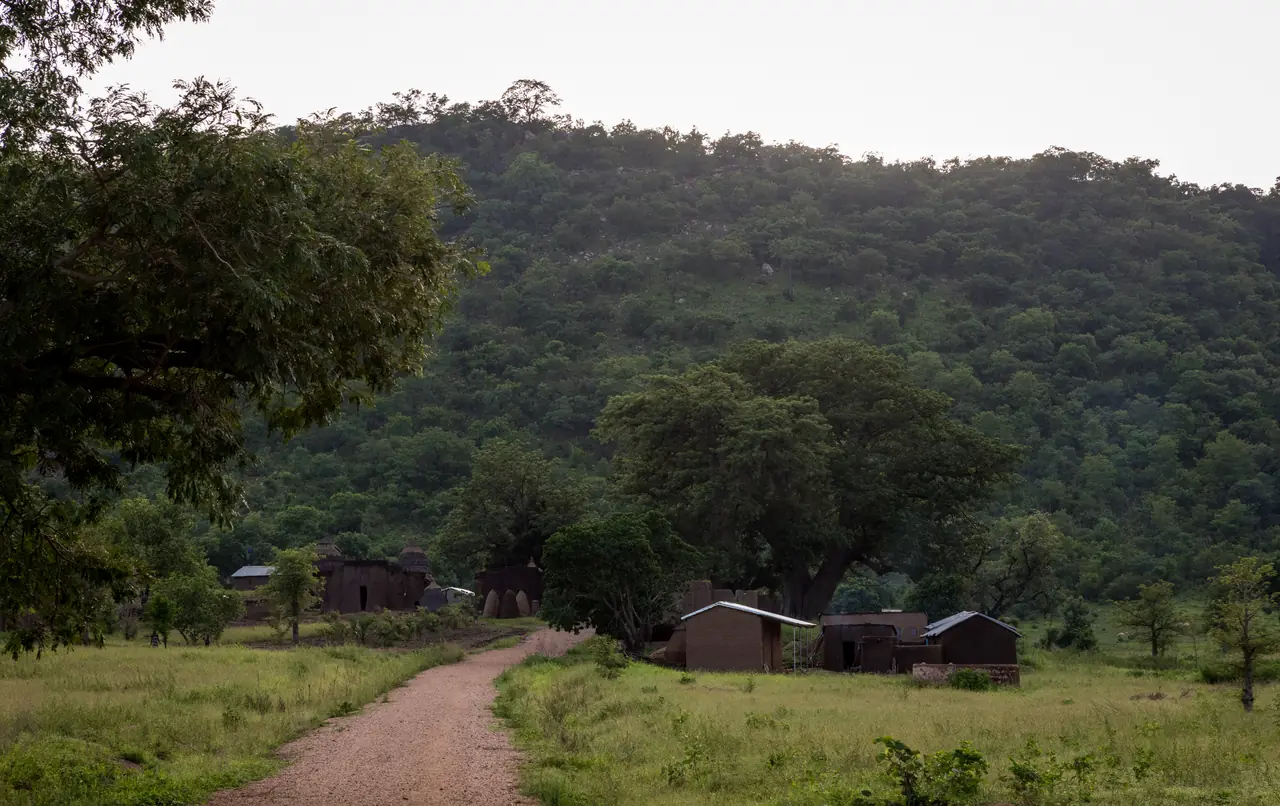
- The hillside villages, reachable by short tracks off the main road
How long should you stay?
Two nights is the right format. One forces a choice between Mount Agou and the Kloto plateau, when they are two separate days and neither gains from being rushed. Two nights also leave the margin to shift an outing if the mist refuses to lift.
From Lomé, reckon on about 120 kilometres. The road is tarred for most of the way, but the timing depends mainly on getting out of the capital: leave early.
Frequently asked questions
The dry season gives the best views from Mount Agou, but the waterfalls are at their lowest. The rains do the opposite: the falls regain force and the vegetation is spectacular, but the horizon is more often closed in. There is no bad season, only different trade-offs.
No. A tarred road serves part of the slope, so the effort can be adjusted: you can do most of it by vehicle and finish on foot, or walk more and pass through the hillside villages. At 986 metres, the altitude poses no particular difficulty.
Technically yes — about 120 kilometres separate the two towns. But the day will be mostly driving, with a single stop at the end. The region deserves at least one night, and preferably two.
Next step
Ready to actually go?
NESS Voyage builds the itinerary around whatever made you want to go. Just tell him what stayed with you from this article.
Answer within 24h · No commitment